The Advantages of Low Glycemic Rice
- greenshine2023
- Oct 6, 2025
- 3 min read
Rice is a staple food for millions, but not all rice is created equal. If you’re mindful about your health, especially your blood sugar levels, choosing the right type of rice can make a big difference. I’ve explored the world of rice and found that opting for low glycemic rice can be a game-changer. It offers a delicious way to enjoy your meals without the worry of sudden sugar spikes.
Let’s dive into why this rice stands out and how it can fit into your daily diet.
Understanding Low Glycemic Rice Benefits
When it comes to managing blood sugar, the glycemic index (GI) is a key factor. The GI measures how quickly a food raises blood glucose levels. Foods with a low GI release sugar slowly and steadily, helping maintain balanced energy and reducing cravings.
Here’s why low glycemic rice benefits your health:
Stable Blood Sugar Levels: It prevents sharp spikes and crashes, which is crucial for those managing diabetes or insulin resistance.
Long-lasting Energy: Slow digestion means you feel fuller longer and have sustained energy throughout the day.
Weight Management: By curbing hunger pangs, it supports healthy weight control.
Heart Health: Steady blood sugar helps reduce the risk of heart disease linked to diabetes.
Switching to this type of rice doesn’t mean sacrificing taste or texture. Many varieties retain the fluffy, satisfying qualities you love, making it easy to incorporate into your favourite dishes.
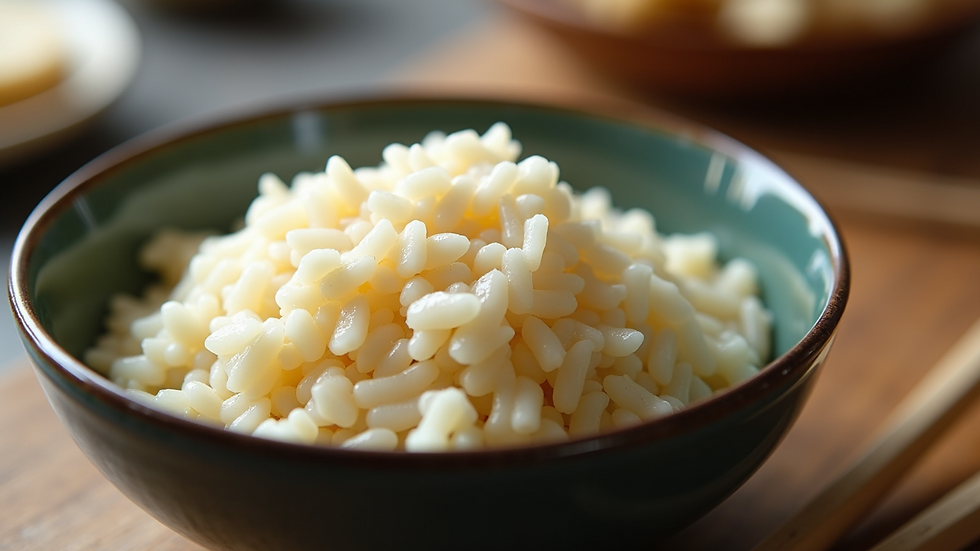
How Low Glycemic Rice Supports Your Daily Meals
Incorporating low glycemic rice into your meals is simple and rewarding. Here’s how it can enhance your diet:
Breakfast Boost: Use it in rice porridge or paired with nuts and fruits for a balanced start.
Lunch and Dinner: Replace regular white rice with low GI options in curries, stir-fries, or salads.
Snacks and Sides: Mix with vegetables or legumes for a nutritious side dish.
Cooking tips to keep the GI low:
Rinse rice thoroughly before cooking.
Avoid overcooking; al dente texture helps maintain a lower GI.
Pair rice with fibre-rich vegetables and protein to slow digestion further.
By making these small changes, you can enjoy your meals without worrying about blood sugar spikes.
Which Rice Has the Lowest Sugar?
Not all rice varieties have the same impact on blood sugar. Some types naturally have a lower glycemic index, making them better choices for health-conscious eaters.
Here are some rice types with the lowest sugar impact:
Brown Rice: Retains the bran and germ, providing fibre and nutrients that slow sugar absorption.
Basmati Rice: Especially the aged variety, has a lower GI compared to regular white rice.
Black Rice: Rich in antioxidants and fibre, it offers a slow sugar release.
Red Rice: Contains more fibre and nutrients, contributing to a lower glycemic response.
Choosing these varieties can help you manage your blood sugar more effectively. Remember, the way you cook and combine rice with other foods also influences its glycemic effect.

Practical Tips for Choosing and Cooking Low Glycemic Rice
To get the most out of your rice, here are some practical tips:
Read Labels: Look for rice labelled as low GI or specifically processed to reduce glycemic impact.
Portion Control: Even low GI rice should be eaten in moderation to maintain balanced blood sugar.
Combine Wisely: Add vegetables, lean proteins, and healthy fats to your rice dishes.
Experiment with Recipes: Try pilafs, salads, or rice bowls that mix flavours and textures.
Store Properly: Keep rice in airtight containers to maintain freshness and quality.
By following these tips, you can enjoy rice as a healthy part of your diet without compromising on flavour or satisfaction.

Embracing a Healthier Lifestyle with Better Rice Choices
Switching to low glycemic rice is more than just a dietary change. It’s a step towards a healthier lifestyle. You’ll notice benefits like improved energy, better digestion, and more stable moods. Plus, it supports your long-term health goals by reducing risks associated with high blood sugar.
If you’re looking for a reliable source, brands like Diab-Well offer scientifically processed low GI rice that tastes great and fits seamlessly into your meals. This makes it easier to stick to your health plan without feeling deprived.
Remember, small changes add up. Choosing the right rice is a simple yet powerful way to take control of your health.
I hope this guide helps you feel confident about making smarter rice choices. Enjoy your meals knowing you’re nourishing your body with the best options available. For more tips and information, check out the low glycemic rice resources and start your journey to better health today!


Comments